
The Basque Country not only captivates travelers with its landscapes, gastronomy, and culture; it has also seduced international film directors and production companies who have found an unparalleled natural setting here. Medieval streets, cliffs that seem straight out of a fantasy world, and ports steeped in history have become sets for films and series that millions of viewers recognize on the big and small screen.
Exploring these locations is like crossing a bridge between fiction and reality. Each province holds corners that have come to life in cinema: from the intrigue of a thriller set in Vitoria-Gasteiz, to romantic comedies that capture the essence of San Sebastián, or the epic fantasy battles filmed on the coast of Bizkaia. A cinematic itinerary that transforms the Basque Country into a true movie journey.
Locations of series and films shot in Álava
Álava has become a film set thanks to its contrasts: the tranquility of its capital, Vitoria-Gasteiz, and the open landscapes surrounding the province have attracted directors seeking authenticity and atmosphere. Although it isn’t the province with the greatest number of filming locations, it has been the setting for films and series that have left their mark on the big screen and in viewers’ memories.
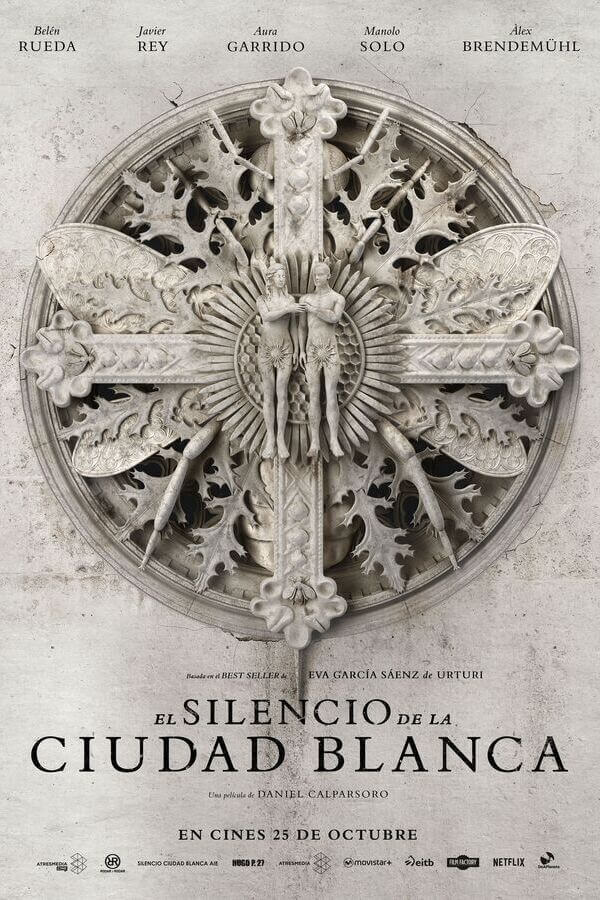
Vitoria-Gasteiz and “The Silence of the White City”
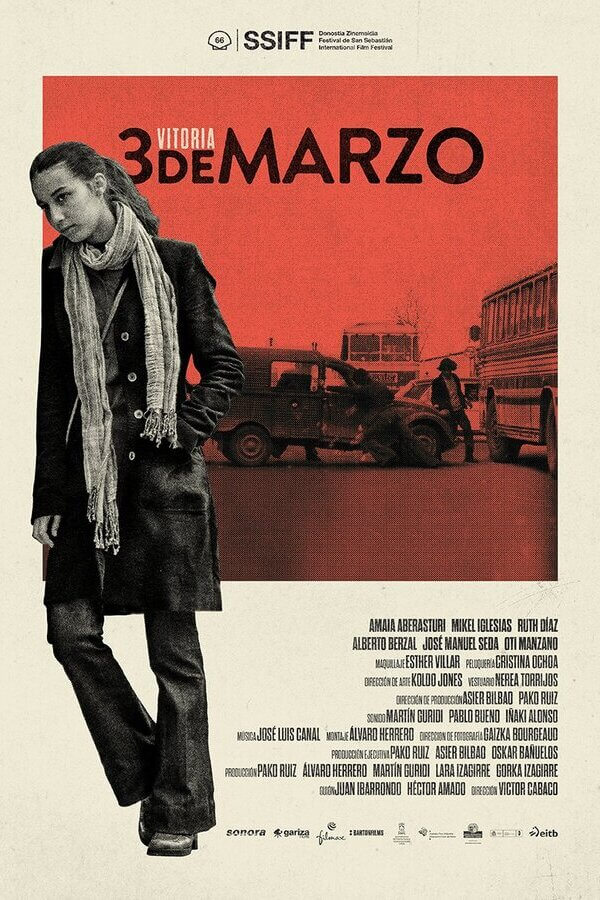
Vitoria-Gasteiz and “Vitoria, March 3”
The film “Vitoria, March 3,” directed by Víctor Cabaco, revives one of the most tragic episodes of the Spanish transition: the 1976 workers’ strike that ended with repression at the Church of San Francisco de Asís. This church in the Zaramaga neighborhood was the epicenter of the story and one of the main filming locations, becoming a symbol of memory and resistance.
To recreate the city of the 1970s, the crew also used recognizable locations from the historic center of Vitoria-Gasteiz, with its narrow streets and squares as a backdrop for the daily lives of workers. The Plaza de la Virgen Blanca and surrounding areas are transformed into scenes of protests and demonstrations, connecting urban heritage with the cinematic narrative.
Filming also extended to industrial spaces and working-class neighborhoods, which lent authenticity to the setting. By exploring these sites today, from the church of Zaramaga to the squares and streets of the city center, visitors can reconstruct the memory of that March 3rd and understand how the city became the protagonist of a story of struggle and dignity that cinema has successfully captured.
Main locations of the film “Vitoria, March 3”
- Church of San Francisco de Asís (Zaramagaga neighborhood): A modern church built in the 1960s, it has become a symbol of the events of March 3rd. Outside, there is a memorial in memory of the victims.
- Historic center of Vitoria-Gasteiz: The medieval heart of the city, with narrow streets, historic squares, and an atmosphere that retains the flavor of the period.
- Plaza de la Virgen Blanca: The center of Vitoria’s urban and social life, surrounded by historic buildings and with a statue of General Olaguíbel at its center.
- Working-class streets in Zaramaga: Neighborhoods that maintain the city’s popular identity, with collective housing and urban planning typical of the mid-20th century.
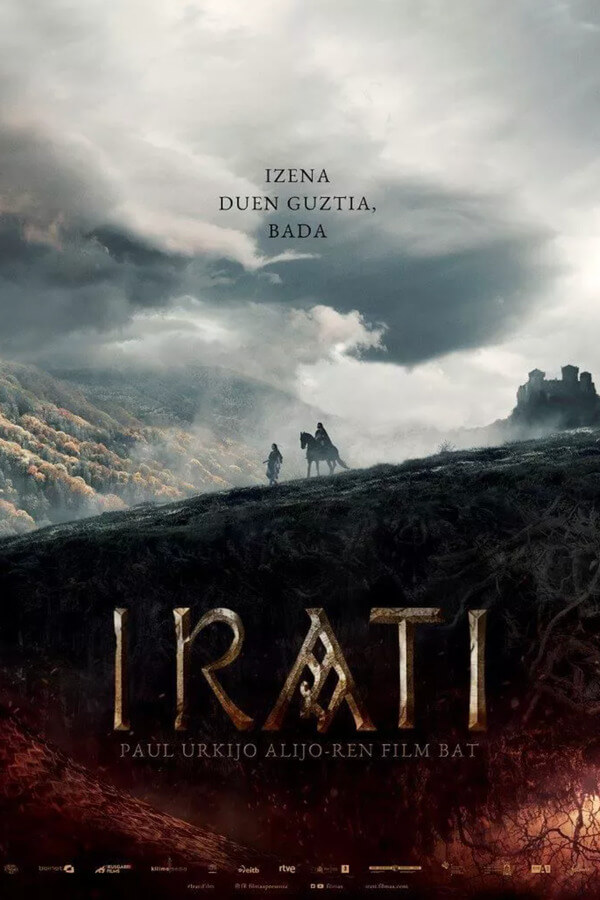
The Alava Plain and “Irati”
Fantastic cinema has also found a perfect setting in Álava. The film Irati, directed by Paul Urkijo, draws inspiration from Basque mythology to tell an epic medieval adventure filled with legends, gods, and heroes. To bring it to life, the film crew sought out landscapes that conveyed mystery and timelessness, many of which are found in the Alava region.
One of the most recognizable locations is the San Adrián Cave, a natural pass in the Aizkorri-Aratz mountain range that for centuries has served as the gateway between Álava and Gipuzkoa. Its rugged, symbolic setting provided the ideal backdrop for mystical and ritualistic scenes.
Filming also extended to the forests and mountains of the Llanada Alavesa, where the lush landscape becomes another character, enveloping the protagonists in an atmosphere of magic and mystery. Natural settings like these, still intact and easily accessible, allow viewers to walk the same paths trodden by the film’s heroes.
Main locations of the film “Irati”
- San Adrián Cave (Aizkorri-Aratz Mountains): A natural pass of great historical value, used since Roman times as a link between Álava and Gipuzkoa. Its rugged, mountainous surroundings make it a place steeped in symbolism.
- Álava Plain: A vast plain surrounded by mountains and dotted with rural villages, whose forests and fields provide an ideal natural setting for recreating the Middle Ages.
- Álava’s rural surroundings: Mountain landscapes, meadows, and trails offer a timeless atmosphere, perfect for legendary scenes.
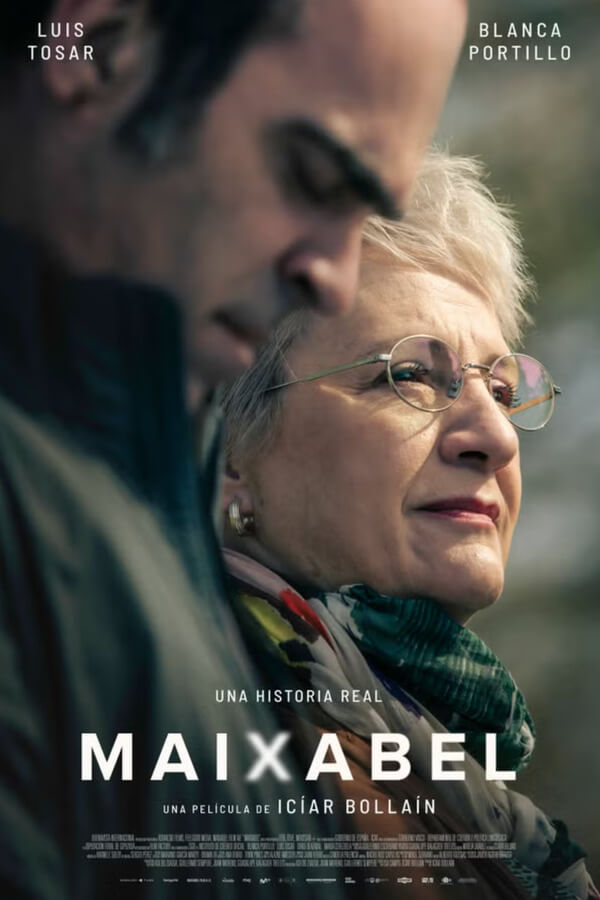
Iruña de Oca and “Maixabel”
The film Maixabel, directed by Icíar Bollaín, delves into one of the most delicate chapters in the recent history of the Basque Country: the restorative encounters between ETA victims and former members of the organization.
The central location for filming was the Nanclares de la Oca prison, in the Álava municipality of Iruña de Oca. The conversations between Maixabel Lasa and the former ETA members were recreated there, a space steeped in symbolism that lends authenticity and emotion to the story. Although the prison itself cannot be visited, its location makes Nanclares a landmark within the cinematic geography of Álava.
In addition to the prison, the film crew used various landscapes and urban settings in the province to reflect the everyday life of the characters. The choice of Álava as a setting was no coincidence: the silence of its villages, the serenity of its secondary roads, and the sobriety of its buildings helped reinforce the film’s intimate and reflective tone.
Main locations of the film “Maixabel”
- Nanclares de la Oca Prison (Iruña de Oca): a former penitentiary located a few kilometers from Vitoria, surrounded by a peaceful rural setting. Although it cannot be visited, its historical and symbolic presence makes it a place full of meaning.
- Secondary roads of Álava: roads that cross sober, open landscapes, reflecting the serenity and harshness that characterize the film’s tone.
- Villages and rural settings in Álava: small, discreet towns that convey authenticity, with traditional architecture and an intimate atmosphere.
Other Filming Locations in Álava
Beyond The Silence of the White City, Vitoria, March 3, Irati, and Maixabel, Álava has been the setting for numerous productions that showcase the versatility of its territory. From wacky comedies to science fiction films, the province offers urban, natural, and industrial spaces that adapt to all kinds of stories.
One of the most striking titles is Rey Gitano (Gypsy King), by Juanma Bajo Ulloa, which made Vitoria-Gasteiz and its surroundings the center of a satirical comedy. The film took viewers to places such as the Plaza de la Virgen Blanca, the Zulueta Palace, and the Añana Salt Mines, as well as locations in Rioja Alavesa, thus showcasing the contrast between the province’s historical heritage and rural landscapes.
The fantasy genre also found its place in Álava with Órbita 9, where the Miñano Technology Park was transformed into a futuristic setting for this science fiction story. The same location was used in the action comedy “Corporal of the Elite,” confirming the location’s appeal for productions seeking a modern, technological aesthetic.
Locations for series and films shot in Guipúzcoa
If Álava offers the serenity of its interior landscapes and the imprint of historical memory, Gipuzkoa captivates the cameras with its brightest side: the Cantabrian Sea, the impossible cliffs, and the urban charm of San Sebastián.
It’s no coincidence that this province has become one of the most recognizable settings for Spanish cinema and, at the same time, a sought-after location for high-profile international productions.

The Guipuzcoan Coast and “Eight Basque Surnames”
This romantic comedy directed by Emilio Martínez-Lázaro became a cultural phenomenon, and part of its charm lies in the way it portrays Basque landscapes and customs, with San Sebastián as the backdrop for several of its most memorable scenes.
San Sebastián
The filming took advantage of iconic corners of the city, such as Playa de la Concha, one of the most beautiful bays in Europe, which appears in strolling scenes and encounters between the protagonists. The Old Town of San Sebastián, with its lively streets, pintxo bars, and local atmosphere, was also the perfect setting to reinforce the traditional character of the story.
Getaria
In Getaria, a picturesque fishing village, scenes were filmed near the port, where Amaia’s father’s boat, the “Sabino Hiru,” appears.
Zumaia
The producers found the perfect setting to situate demonstrations and urban scenes in the fictional Argoitia. The famous San Telmo hermitage is also located there, perched on the cliffs of Itzurun beach, which was chosen as the setting for Amaia’s wedding, one of the film’s most memorable moments.
Leitza
The magic of Argoitia was completed in Leitza, in neighboring Navarre, whose town center and main square became the heart of the town. The town’s Herriko Taberna became Amaia’s bar, a central space in the plot where several of the most comical sequences take place.
Zarautz
It played a curious role in the filming. The crew’s base of operations was established there, and scenes such as Rafa’s exit from the Ertzaintza police station were filmed there.
Furthermore, the Egaña Enea mansion is located in this same town, which in the film served to recreate the protagonist’s “Seville apartment,” showing how cinema can transform a Basque building into an Andalusian home.

The Guipuzcoan coast and “Game of Thrones”
The hit series Game of Thrones chose several landscapes along the Basque coast to recreate Dragonstone, the ancestral home of the Targaryen family. Among them, Gipuzkoa stands out with its beautiful natural settings that transport viewers to a fantasy world.
The series not only brought stories of kings, dragons, and epic battles to the screen, but also turned its locations into true tourist destinations. Among the locations chosen to bring Dragonstone to life, the Basque coast occupies a privileged place. Its rugged geography, with cliffs that seem carved by giants and wild beaches lapped by the Cantabrian Sea, offered the series’ creators a natural setting impossible to recreate in a studio.
In Gipuzkoa, the small town of Zumaia became a global star thanks to the spectacular flysch of Itzurun Beach. Characters such as Daenerys Targaryen and Jon Snow once walked there, against a backdrop that millions of viewers recognized as part of the Westerosi universe. In addition to its role in the series, this site is part of the Basque Coast Geopark, which increases its appeal to travelers seeking experiences that combine cinema, nature, and geological history.
Game of Thrones locations in Guipúzcoa
- Itzurun Beach (Zumaia): A long beach surrounded by cliffs, famous for its vertical rock formations known as flysch. This unique environment offers a spectacular geological landscape and is one of the most visited spots in the Basque Coast Geopark.
- Zumaia and Algorri Flysch: Kilometers of rock strata that tell the story of the Earth, internationally recognized for their scientific and scenic value. In addition to their role in the series, this is an ideal location for hiking or boat trips.
- Basque Coast Geopark: A protected area encompassing Zumaia, Deba, and Mutriku, declared a UNESCO Global Geopark. A perfect destination for those looking to combine nature, science, and culture.
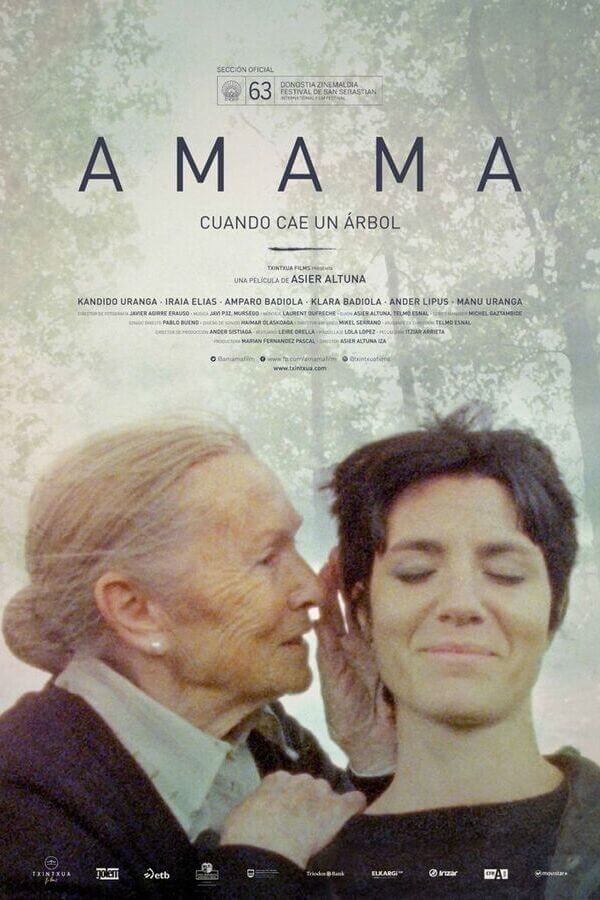
The landscapes of Guipúzcoa and “Amama”
The film Amama, directed by Asier Altuna, is a drama deeply rooted in Basque culture that reflects on generational transmission, the weight of tradition, and the difficulty of adapting to change.
Shot entirely in Gipuzkoa, the film transforms the province’s farmhouses and landscapes into true visual protagonists, with a poetic power that transcends the narrative itself.
More than just a setting, the rural world of Gipuzkoa is presented in Amama as another character, holding family memories and symbolizing the indissoluble bond with the land. Mountains, forests, and traditional homes frame this intimate story that, through an artistic lens, depicts the essence of life in the Basque countryside.
Main locations of the film “Amama”
- Traditional farmhouses of Gipuzkoa: authentic Basque rural dwellings, with their stone and wood architecture, which became the central setting for the story.
- Natural settings in inland Gipuzkoa: mountains, meadows, and forests that reinforce the film’s intimate atmosphere and connection to the land.
- Rural municipalities in the province: small towns in Gipuzkoa where farmhouse life still survives and which served as the backdrop for everyday scenes.
Other filming carried out in Guipúzcoa
Gipuzkoa has not only been the setting for major hits such as Ocho apellidos vascos, Game of Thrones, and Amama. The province has also hosted filming for international productions such as the series Vampire Academy, which transformed iconic San Sebastián venues like the Miramar Palace and the Hotel María Cristina into luxurious locations.
Added to this are numerous Basque documentaries, short films, and films that have found the inland farmhouses, the port of Pasaia, and the San Sebastian seafront promenades an ideal setting for their stories. All of this confirms Gipuzkoa as a versatile filmmaking territory, capable of inspiring both local narratives and projects of global reach.
Locations for series and films shot in Bizkaia
Bizkaia is probably the Basque province that has projected its image most on the big screen, thanks to its combination of modern urban environments, beautiful coastal landscapes, and monuments steeped in history. Bilbao, with its blend of contemporary and industrial architecture, has been the backdrop for Spanish and international films. At the same time, locations like San Juan de Gaztelugatxe have achieved worldwide fame by appearing in blockbusters like Game of Thrones.
From the Bilbao estuary to the cliffs overlooking the Cantabrian Sea, Bizkaia offers visitors a unique cinematic journey that allows them to discover the cultural, architectural, and natural diversity of the province.
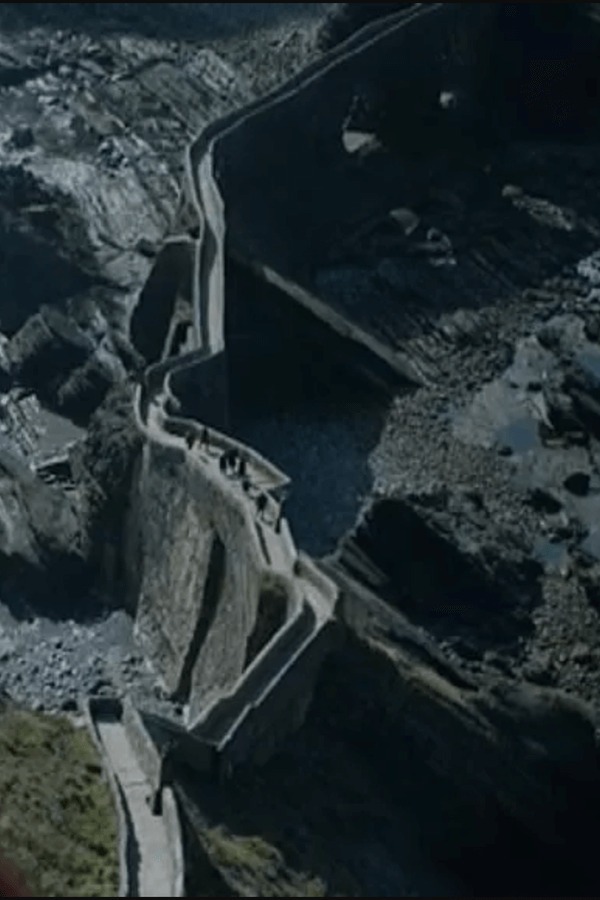
San Juan de Gaztelugatxe and “Game of Thrones”
Among all the locations in Bizkaia, none has achieved as much international notoriety as San Juan de Gaztelugatxe. This islet, connected to the mainland by a narrow stone bridge and a staircase of more than 200 steps, became Dragonstone, Daenerys Targaryen’s fortress in Game of Thrones. The image of the protagonists ascending its stairs, with the Cantabrian Sea breaking on both sides, was seen around the world.
Beyond its role in the series, San Juan de Gaztelugatxe is one of the great tourist icons of the Basque Country. At the top of the islet is a hermitage dedicated to Saint John the Baptist, surrounded by seafaring legends and offering spectacular views of the Biscayan coast. The route to the sanctuary, lined with cliffs, combines history, spirituality, and nature in its purest form.
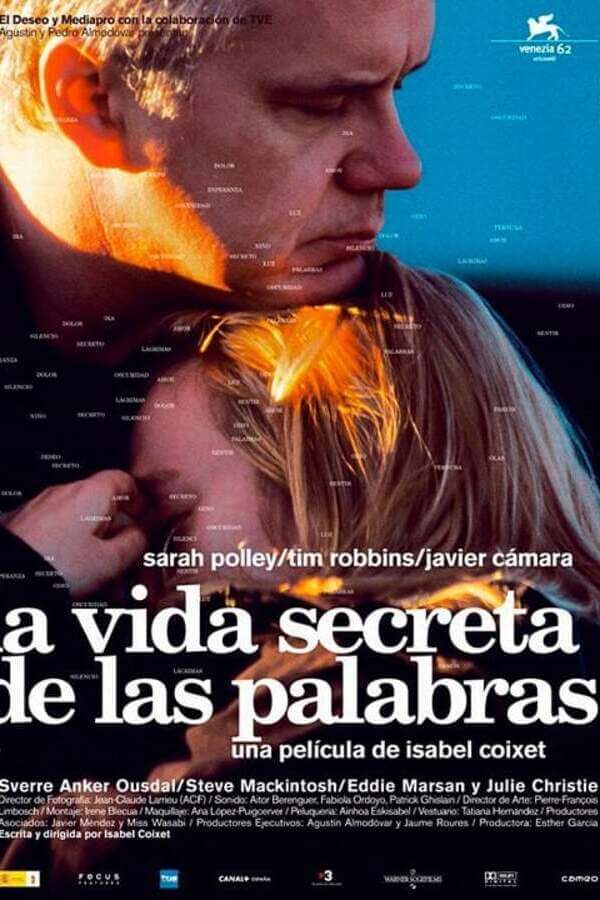
Portugalete – Getxo and “The Secret Life of Words”
The film The Secret Life of Words, directed by Isabel Coixet and starring Sarah Polley and Tim Robbins, found several of its most significant locations in Bizkaia. Although much of the plot takes place on an oil platform, the scenes filmed on land took advantage of the architectural and industrial richness of the Nervión Estuary.
Main locations of the film “The Secret Life of Words”
- Suspension Bridge (Portugalete and Getxo): declared a UNESCO World Heritage Site, it is one of the province’s greatest symbols. Its iron structure, which connects the two banks of the estuary, served as a backdrop for several sequences.
- The surroundings of the Nervión Estuary: docks, promenades, and port landscapes that convey the industrial atmosphere of Bizkaia and reinforce the film’s distinctive aesthetic.
- Neighborhoods near Portugalete and Getxo: urban spaces linked to seafaring and working-class life, which lent authenticity to the film’s setting.
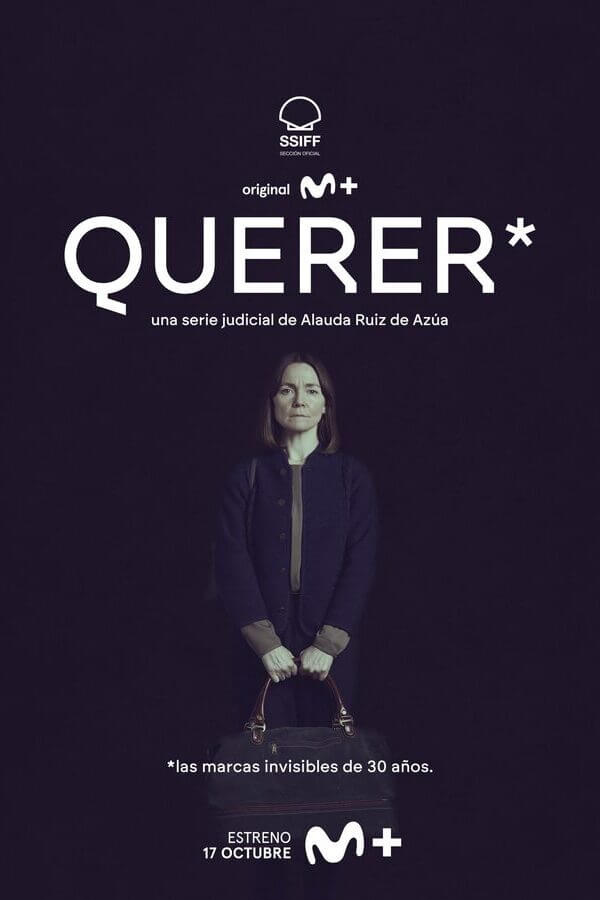
Bilbao, its surroundings, and the miniseries “Querer”
The miniseries “Querer,” produced by Movistar Plus+ and directed by Alauda Ruiz de Azúa, is an intimate drama that explores the complexities of personal and family relationships. The story, full of emotion and delicacy, found Bizkaia the perfect setting to reflect the intensity of its characters.
Main locations for the miniseries “Querer”
- Bilbao: The series took advantage of different corners of the Biscayan capital, from its most modern streets along the estuary to cultural spaces and residential neighborhoods that provide an urban and contemporary atmosphere.
- Getxo: This coastal municipality, with its mansions, promenades, and views of the Cantabrian Sea, offered an elegant and evocative setting that fit the intimate tone of the series.
- Other municipalities in Bizkaia: towns near Bilbao and natural sites in the province served as support for specific scenes, reinforcing the diversity of settings in which the plot unfolds.
The Basque Country has established itself as a true open-air film set. From the cliffs that gave life to fantasy kingdoms to the historic centers that hosted mystery plots or historical memories, every corner bears the imprint of a story that made it to the big screen. Visitors who tour these locations will not only discover recognizable settings, but also the cultural, natural, and architectural richness that makes the Basque Country unique.
Exploring the Basque Country through film and TV series means discovering it through a different lens: that of the directors and creators who found the perfect inspiration for their stories here. A journey that combines heritage, landscape, and emotion, inviting you to experience it not only as a spectator, but as the protagonist of a route that turns each stop into part of an unforgettable film.

Rubén Rico Gutiérrez – Co-founder and Manager of RicoTaxi
With over 25 years at the helm of the private transportation sector, I am the founder of RicoTaxi, a family business with deep roots in the Basque Country and a modern approach to customer service. During this time, I have combined the closeness of traditional customer service with the advantages of digital tools to offer comfortable, safe, and personalized transfers to individuals, companies, and travelers of all kinds.
My commitment is clear: to offer a reliable, punctual, and honest service, both in Vitoria, Bilbao, and San Sebastián, as well as in the surrounding airports and towns. Our accumulated experience and a solid network of collaborators allow us to respond quickly to any mobility need, whether for business, tourism, or events.
I write these articles based on real, day-to-day experience, with the aim of helping you discover the best of the Basque Country and plan your trips with the peace of mind of knowing you’re in good hands.

Would you like a guided tour of any of these locations?
Discover our Car with Driver service
An ideal way to explore the locations that have brought some of the most recognized films and series to life is with a car with driver. This way, every transfer between locations becomes part of the journey: no parking worries, no rush, and the comfort of letting yourself go.
Just like in a movie, the journey from one location to another also becomes part of the story, allowing you to look out the window and let the Basque Country landscape complete your own cinematic route.